Source tattoo care cream for swelling relief and healing
Find 30 tattoo care cream options for body art aftercare, including products designed to stop swelling and heal skin smoothly. Buyers can compare OEM formulations, natural ingredients, and pricing for permanent makeup repair or tattoo removal needs.
Key considerations
Products List






Comprehensive Sourcing Guide
Strategic Sourcing Guide for Tattoo Care Cream Procurement
Understanding Product Categories and Core Functions
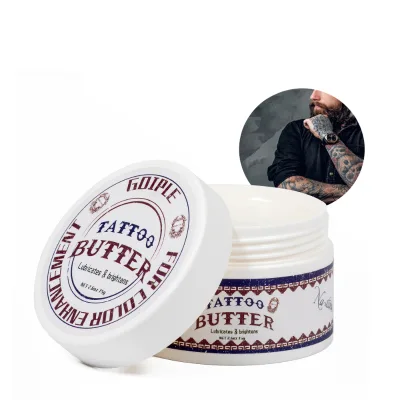
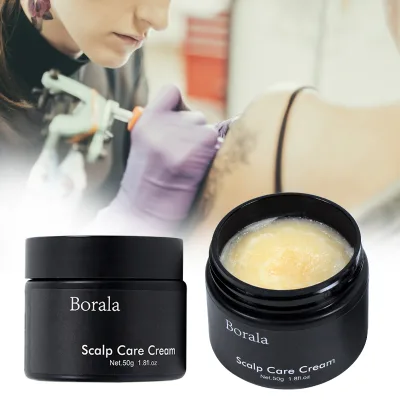
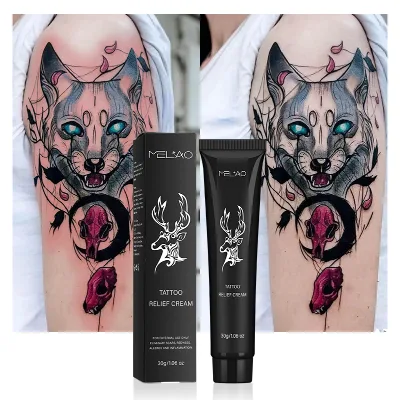
The market for tattoo care cream encompasses several distinct product types, each serving a specific phase of the tattooing lifecycle. Procurement professionals must first distinguish between aftercare repair creams, topical anesthetic creams, and tattoo removal agents, as their formulations and regulatory requirements differ significantly. Based on observed market data, the primary category for immediate post-procedure care is the "Tattoo Butter" or "Permanent Makeup Repair Cream." These products are formulated with a cream texture and are designed to function as skin revitalizers and moisturizers. Their core operational purpose is to stop swelling, heal the skin smoothly and easily, and ensure the final tattoo appearance remains sharp and bright. These products are typically non-irritating and mild, making them suitable for unisex adult application on the body.
In contrast, the procurement of "Tattoo Numbing Cream" targets a different functional requirement: local analgesia and pain relief. These are classified as topical anesthetic creams with a smooth cream formula, often utilizing natural ingredients or organic components to minimize irritation. While the repair creams focus on healing and color retention, the numbing creams are strictly for pre-procedure preparation. It is critical for buyers to verify the specific "Primary Function" listed in supplier specifications, as confusing these categories can lead to product failure in the intended application. Additionally, some listings reference "Tattoo Removal" products, which operate on a completely different chemical mechanism and require separate safety validations. The supply chain for these items often originates from manufacturing hubs in Guangdong, China, specifically Guangzhou, where OEM and ODM capabilities are widely available.
Technical Specifications and Formulation Analysis
When evaluating tattoo care creams, buyers must scrutinize the physical and chemical specifications provided in the product data. The standard form for these products is a cream, often packaged in aluminum tubes or bottles. A common single package size observed in the market is 8x8x8 cm, with a net weight typically ranging around 75g for repair creams, though smaller units like 10ml or 15ml are also standard for specialized applications. The color of the cream itself can vary; observations indicate a light yellow hue or a customizable white color, depending on the specific formulation and branding requirements.
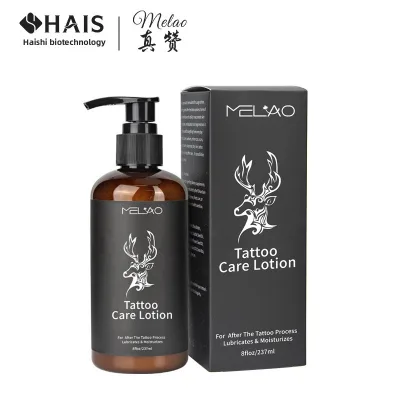
The ingredient profile is a critical technical differentiator. Many suppliers highlight the use of "Organic" and "Natural ingredients" as key selling points, which aligns with consumer demand for gentle, non-irritating products. The shelf life for these creams is generally observed to be two years, a standard metric that buyers should verify against batch-specific production dates. Packaging standards vary from simple boxes to more complex aluminum tube and color box combinations, often enclosed in outer cartons for bulk shipping. The material of the primary packaging, such as aluminum, is chosen for its ability to protect the cream from light and air, preserving the integrity of active ingredients. Buyers should note that while some products are listed as "Disposable," the majority of tattoo care creams are non-disposable, intended for repeated use over a healing period.
Compliance, Certification, and Regulatory Verification
Navigating the regulatory landscape for tattoo care products requires a rigorous approach to compliance verification. While specific certification status for individual suppliers cannot be assumed, buyers should actively seek evidence of adherence to international quality management standards. The industry often references ISO 22716, which pertains to Good Manufacturing Practices (GMP) for cosmetics. Although this standard is not explicitly confirmed for every listed product in the general data, it serves as a vital benchmark for evaluating a supplier's production environment.
Procurement teams must verify that the supplier can provide documentation for the specific "prod_standard" listed, which may include variations like 50g/bottle or 10ml/piece specifications. For products claiming to be organic or natural, buyers should request proof of certification from recognized bodies, as the term "Organic" is not self-regulated in all jurisdictions. Furthermore, the "OEM/ODM" status of a supplier implies they can customize formulations, but this customization must still meet the safety standards of the destination market. Buyers should not rely on generic claims; instead, they must demand test results or certificates of analysis (CoA) that confirm the absence of prohibited substances and validate the safety of the "Local Analgesia" or "Skin Revitalizer" claims. The origin of the product, often cited as Guangdong, China, requires specific attention to import regulations and labeling requirements in the target market to ensure full compliance.
Cost Drivers and Pricing Dynamics
The pricing structure for tattoo care creams is influenced by several variable factors, including formulation complexity, packaging materials, and order volume. The observed price range in the market spans from $0.48 to $15.00 USD per unit. This wide disparity is not merely a reflection of brand value but is heavily driven by the Minimum Order Quantity (MOQ) and the level of customization requested. The MOQ range observed is substantial, varying from as low as 1 unit for sampling up to 3,600 units for bulk production runs.
Cost drivers include the use of specialized ingredients like sandalwood scent or specific organic extracts, which can increase the base cost of the cream. Packaging choices also play a significant role; products packaged in aluminum tubes with custom color boxes and outer cartons will command a higher price point than those in simple bottles. The "Customization" availability allows buyers to tailor the product, but this often incurs additional setup fees or higher per-unit costs compared to standard SKUs. Payment terms such as T/T, Western Union, and PayPal are standard, but the financial risk associated with these terms should be weighed against the supplier's reputation. Buyers should analyze the cost per unit relative to the net weight and packaging complexity to determine the true value proposition, ensuring that the low-end prices do not compromise the quality of the "Natural ingredients" or the efficacy of the "prevent itching and swelling" function.
Supplier Evaluation and OEM/ODM Capabilities
Selecting the right supplier for tattoo care creams requires a deep dive into their manufacturing capabilities and flexibility. The market data indicates a high prevalence of OEM (Original Equipment Manufacturer) and ODM (Original Design Manufacturer) services, with many suppliers explicitly stating that "OEM & ODM Custom" is accepted. This flexibility is crucial for brands looking to establish a unique identity in the tattoo care sector. Buyers should evaluate suppliers based on their ability to customize the "Scent" (e.g., Sandalwood or other preferences) and "Color" of the product to match brand guidelines.
The "Place of Origin" is a significant factor in supplier selection, with Guangzhou, Guangdong, China, emerging as a primary manufacturing hub. This concentration of suppliers suggests a mature supply chain with established logistics for raw materials and finished goods. However, buyers must verify the specific capabilities of each supplier regarding their "prod_model" and "prod_packing" standards. A supplier offering a "Tattoo Balm" model number should be able to demonstrate consistent quality control for that specific formulation. The "Disposable" versus "Non-Disposable" attribute also serves as a filter; buyers seeking long-term aftercare solutions should prioritize suppliers with robust non-disposable product lines. Additionally, the "Application" scope, typically listed as "Body" or "Body Art," should be confirmed to ensure the product is suitable for the intended demographic and usage scenario.
Quality Control and Long-Term Procurement Strategy
Implementing a robust quality control (QC) strategy is essential for maintaining brand integrity in the tattoo care market. Given the sensitive nature of the product application on healing skin, buyers must establish clear acceptance criteria for the "Texture" and "Form" of the cream. The standard expectation is a smooth cream formula that does not irritate the skin. QC protocols should include regular sampling to verify the "Shelf life" of two years and to ensure that the "Net weight" remains consistent across batches.
For long-term procurement, buyers should consider the scalability of the supplier's production lines. The ability to handle large MOQs, such as the observed 3,600 units, indicates a supplier capable of supporting significant growth. However, the transition from small sample orders to bulk production must be managed carefully to avoid quality drift. Buyers should also monitor the "Product Name" consistency, ensuring that terms like "Permanent Makeup Repair Cream" or "Tattoo Aftercare" are used accurately in all marketing and regulatory documentation. Establishing a long-term relationship with a supplier who offers "Warmly Welcomed" OEM/ODM services can provide a competitive advantage through customized formulations and priority production scheduling. Finally, buyers should maintain open communication regarding any changes in "prod_standard" or "prod_origin" to ensure that the supply chain remains resilient and compliant with evolving international regulations.
Comparative Analysis of Product Attributes
To facilitate informed decision-making, the following table summarizes the key attributes observed across different tattoo care cream categories. This comparison highlights the distinctions between repair, numbing, and removal products, aiding buyers in selecting the correct specification for their needs.
| Attribute | Tattoo Repair Cream | Tattoo Numbing Cream | Tattoo Removal Agent |
|---|---|---|---|
| Primary Function | Stop swelling, heal smooth, prevent itching | Local analgesia, pain relief | Removal of pigment |
| Form | Cream | Smooth Cream Formula | Varies (often cream/gel) |
| Key Ingredients | Organic, Natural ingredients | Natural ingredients | Specific chemical agents |
| Scent Options | Sandalwood or customizable | Customizable | Often unscented or neutral |
| Packaging | Aluminum tube, Box, Carton | Aluminum tube, Box | Varies by formulation |
| Target Application | Post-procedure body art | Pre-procedure body art | Post-procedure correction |
| Shelf Life | 2 Years | Typically 2 Years | Varies by chemical stability |
| OEM/ODM | Available | Available | Available |
This comparative view underscores the importance of precise specification matching. While all three categories may share similar packaging materials like aluminum and originate from the same geographic regions, their functional requirements and regulatory scrutiny differ. Buyers must ensure that the "Product Name" and "Key Function" align perfectly with the intended use case to avoid compliance issues and customer dissatisfaction. By adhering to these detailed specifications and maintaining a rigorous evaluation process, procurement professionals can secure a reliable supply of high-quality tattoo care creams that meet the demanding standards of the body art industry.
FAQs
How does tattoo care cream help heal skin after a procedure?
Tattoo care cream functions to stop swelling and heal skin smoothly without irritation. It acts as a skin revitalizer and moisturizer to keep tattoos sharp and bright while preventing itching during the recovery process.
What ingredients are typically used in these creams?
Many formulations utilize organic and natural ingredients to ensure the product is mild and non-irritating. These components help create a smooth cream texture suitable for unisex adult application on the body.
Which packaging formats are standard for tattoo repair creams?
Products are commonly packaged in aluminum tubes or bottles with net weights around 75g. Some units come in single boxes or aluminum tubes with color boxes and outer cartons for bulk shipping.
Can suppliers customize the scent and color of the cream?
Yes, customization is available for both scent and color to match brand requirements. Buyers can select options like sandalwood scent or specific colors such as light yellow or white.
What is the shelf life of tattoo aftercare products?
The standard shelf life for these creams is generally two years. This duration ensures the product remains effective for healing and skin revitalization when stored properly.
How do MOQs vary for tattoo care cream orders?
Minimum order quantities range widely from 1 unit for sampling up to 3600 units for bulk production. The specific MOQ depends on the supplier and the level of customization requested.
Where are these tattoo care products typically manufactured?
Most products originate from manufacturing hubs in Guangdong, China, specifically Guangzhou. This region offers extensive OEM and ODM capabilities for various tattoo care formulations.
What payment methods are accepted for these orders?
Standard payment terms include T/T, Western Union, and PayPal. These methods facilitate transactions for both small sample orders and large bulk purchases from verified suppliers.